Migratory Hoofed Mammals Face Higher Extinction Risk, PLOS Biology Study
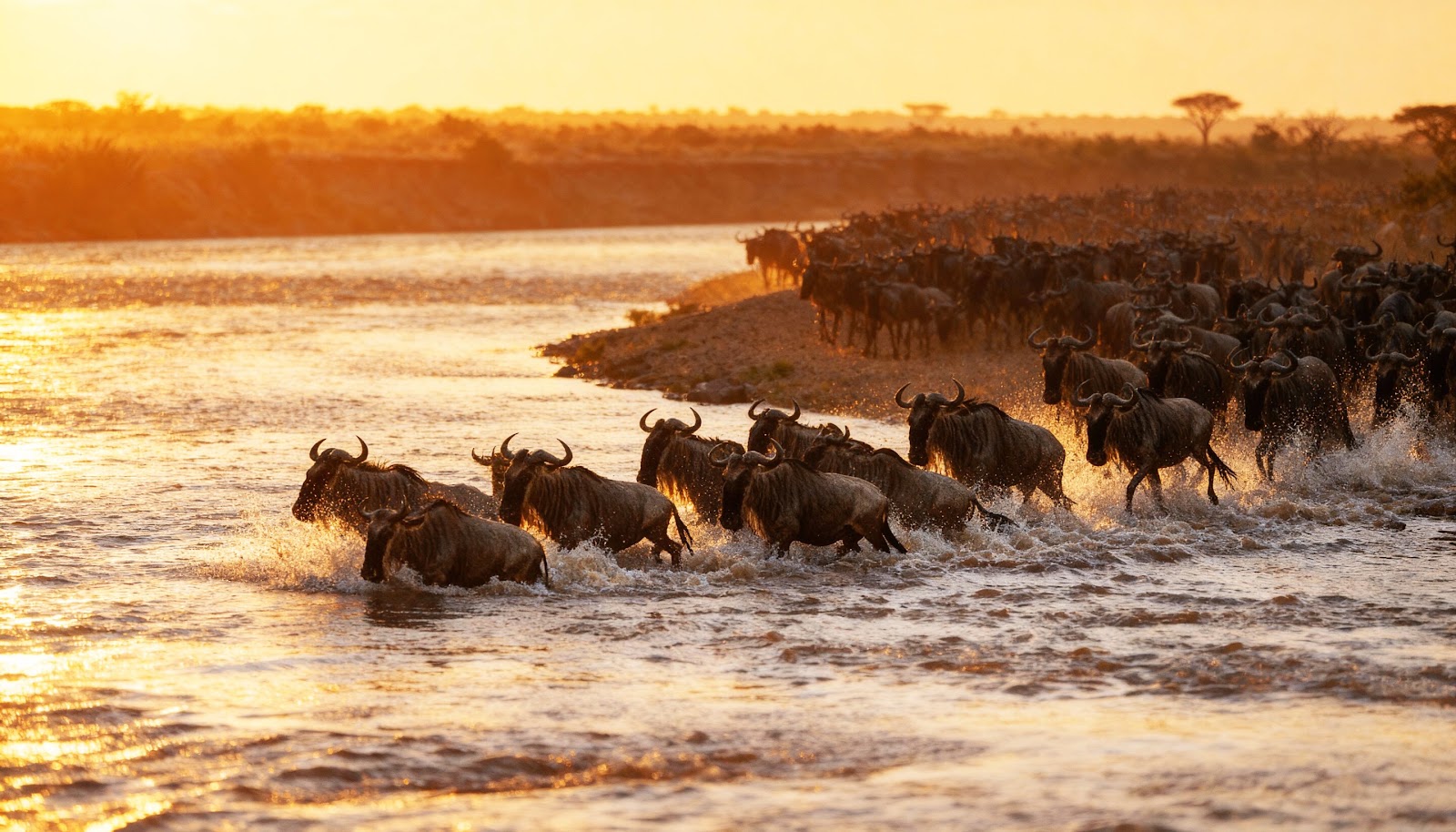
A new PLOS Biology study suggests hoofed mammals that migrate have been more vulnerable to extinction than those that stay put. Joel Abraham of Princeton and colleagues from the United States and Germany examined the past 100,000 years, inferring migratory behaviour for 51 extinct ungulate species using fossil evidence and data on living relatives.
About 80 percent of the extinct species, 41 of 51, were migratory, compared with 46 percent of living ungulates, 95 of 207. Modelling suggested migratory lineages had both higher speciation and higher extinction rates, around 2.8 new species per million years versus 1.7, meaning faster lineage turnover overall in the fossil record.
Losing these species reduced ungulate functional richness by 0.8 percent globally and 2.7 percent in Africa. The authors describe migration as an evolutionarily fragile strategy and urge conservationists to prioritise migratory species as urbanisation, hunting and climate change threaten the movements of wildebeest, caribou and other herds across continents today.
This is a short summary. Read the original report at eurekalert.org