NASA's Swift Observatory Crashes to Earth After Failed Rescue Attempt
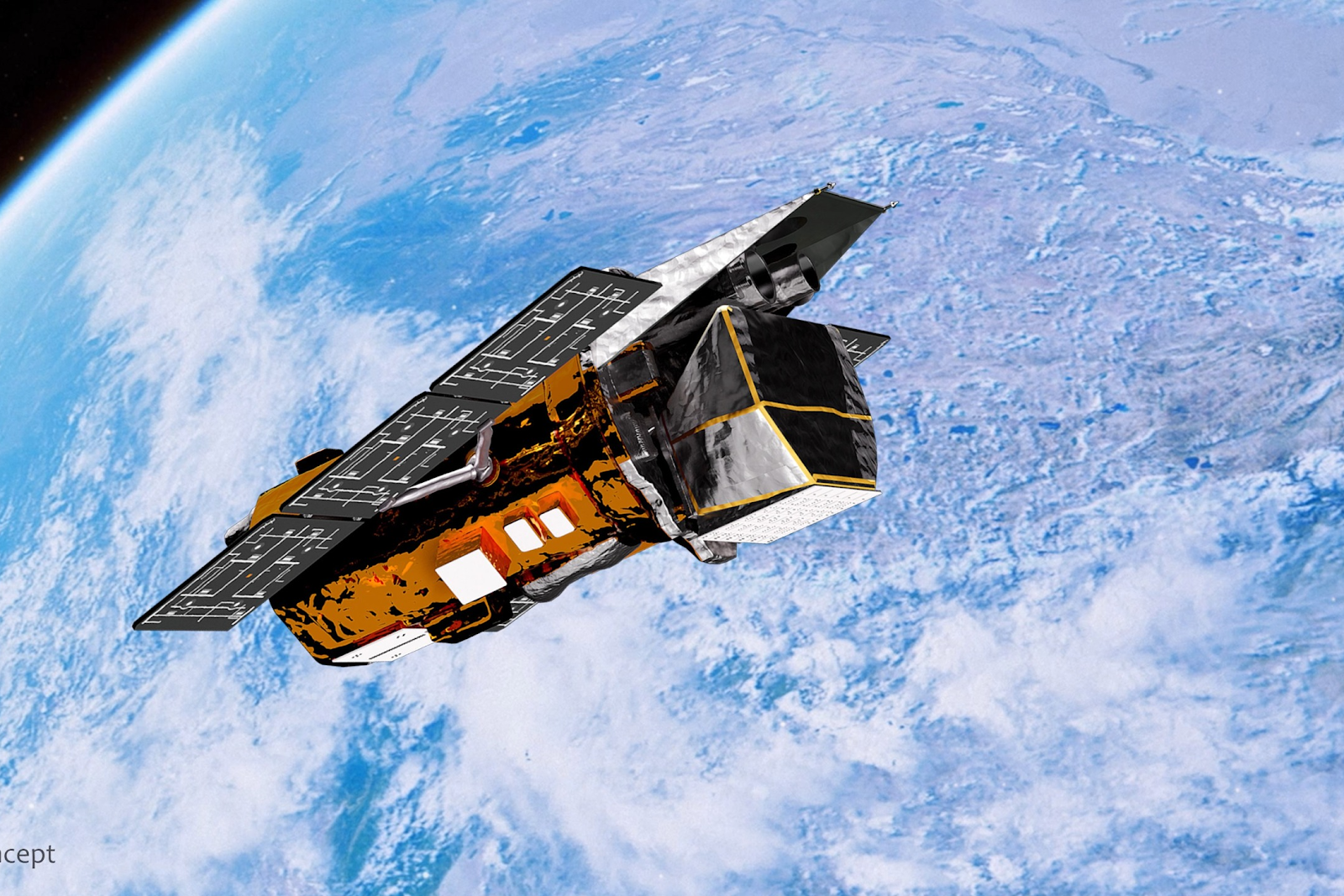
NASA's veteran Swift space telescope has fallen uncontrollably back to Earth, ending a 22-year career studying the most violent explosions in the universe. Satellite tracker Jonathan McDowell, citing US Space Force data, said it reentered at 1239 GMT over northern Sumatra. The observatory weighed about 1,450 kilograms, and NASA put the chance of debris harming anyone at 1 in 2,100.
Swift launched in November 2004 on a two-year mission to watch gamma-ray bursts and was later renamed for its first principal investigator, Neil Gehrels. It observed more than 2,000 bursts and 1,400 supernovas before its final science observation on 20 October. With no thrusters, it could not counter atmospheric drag as the orbit decayed.
A rescue was attempted. NASA awarded Katalyst Space 30 million dollars in September 2025 to boost it, but the LINK spacecraft launched on 3 July suffered propulsion and reaction-wheel faults that ended the August capture plan, and LINK itself crashed on 25 September. The loss underlines how many large satellites now fall back to Earth.
This is a short summary. Read the original report at space.com