Blood Fatty Acid Test Outperforms Stool Samples in Spotting Gut Disease
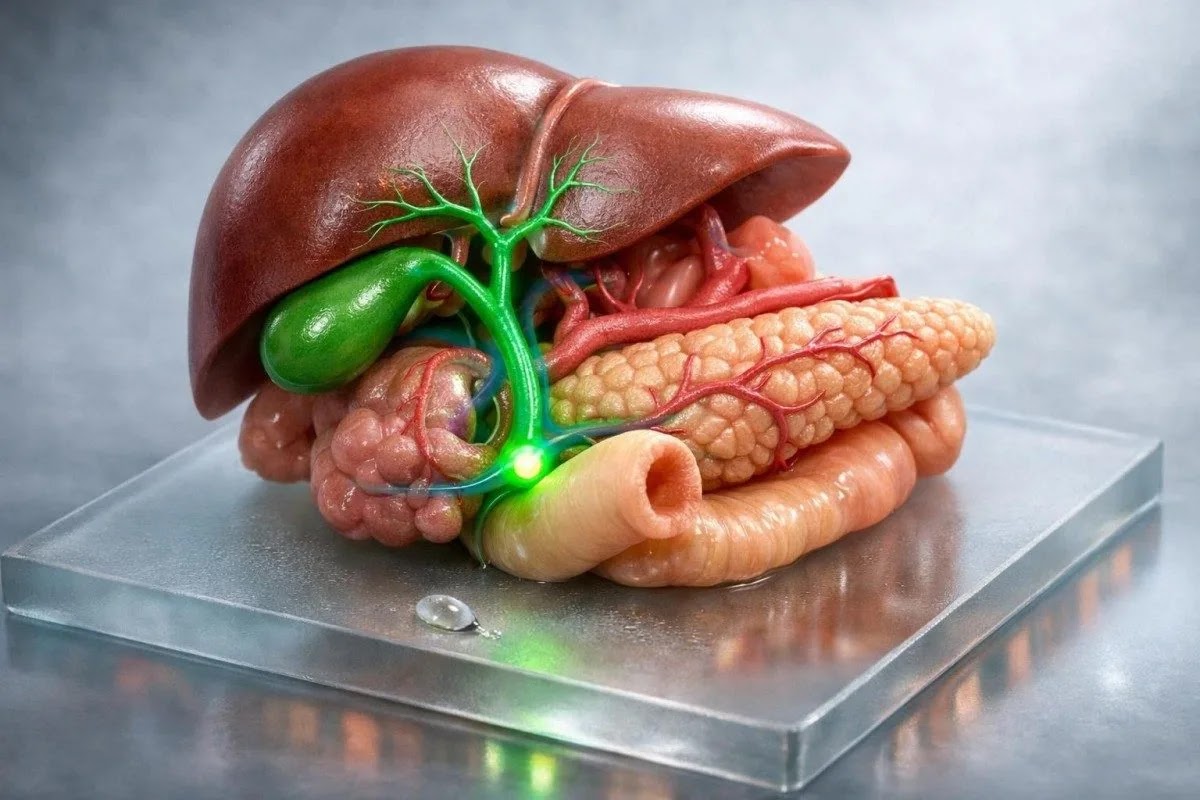
Doctors may soon look to your bloodstream instead of a stool sample to understand gut trouble. A study in QJM led by Baldi, Rotelli and Cei reports that circulating short-chain fatty acids predicted gut-related diseases far better than stool-based measurements in the participants examined. Short-chain fatty acids are produced by gut bacteria.
The research included 193 people: 35 with celiac disease, 30 with colorectal cancer, 33 with obesity and 95 healthy controls. A model built on blood short-chain fatty acids reached ninety-five percent accuracy, compared with just fifty-nine percent for the stool-based model across the same conditions. The comparison covered celiac disease, cancer and obesity.
Combining blood and stool data nudged accuracy to ninety-seven percent. The serum test set was only about thirty-nine participants, so the authors treat the result as promising rather than final. Larger validation studies will show whether a simple blood draw can improve early detection of gut-linked illness. Confirmation in bigger cohorts is needed.
This is a short summary. Read the original report at news-medical.net